

Introduction
Do you suffer from dry patches, tight skin, or redness that you cover up with concealer? These are all signs that your skin needs a good moisturizer, or that your current product is not working well.
A moisturizer is an essential part of every skincare routine. Without moisturizer, your skin can feel dry and irritated, and you are more likely to suffer from blemishes or signs of aging. While it is often easy to recognize the signs, it can be harder to know what to do about them. A quick Google search can overwhelm you with confusing scientific language, and what works for someone else doesn't always work for you.
In this guide, we look at everything you need to know to find the best moisturizer for YOUR skin. We also examine Korean moisturizers, known for their light textures, skin barrier repair, and, of course, the famous "glass skin" glow!
How does a moisturizer work?
A moisturizer helps to retain moisture, protect your skin against environmental factors, and restore your skin barrier. This is achieved through one or more of the following types of ingredients:
- • Humectants (such as glycerin or hyaluronic acid) that draw water from the environment into your skin.
- • Emollients (such as squalane or vegetable oils) that even out and soften the skin surface.
- • Occlusives (such as shea butter or petroleum jelly) that lock in that moisture to prevent moisture loss.
Different formulas work better for different skin types, so it makes sense to start there when choosing your products.
Moisturizer for dry skin
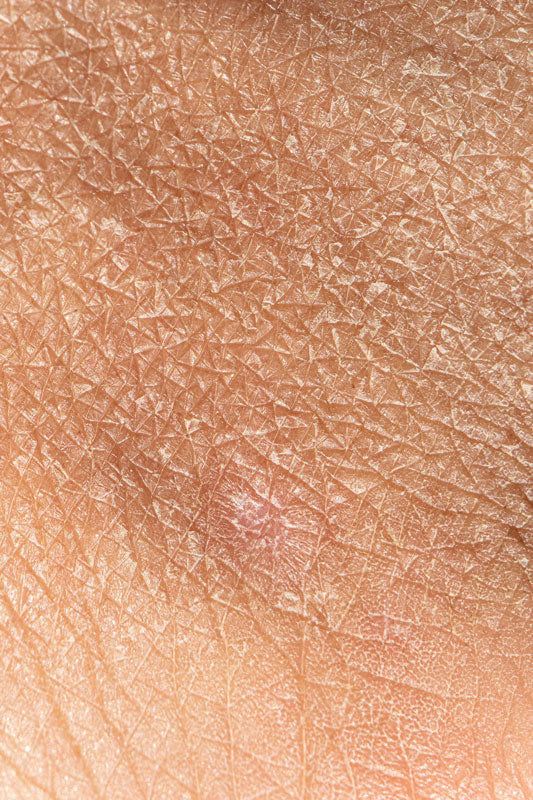
If you suffer from rough or flaky patches, you likely have dry skin. However, the problem is not always obvious. Fine lines, redness, or dullness can also be signs that your skin is dehydrated. These problems can all be exacerbated by environmental factors such as winter weather, strong winds, and indoor heating.
Pay close attention to how your skin looks and feels throughout the day. If your skin feels tight after cleansing or if you have lines that come and go, it is best to choose a moisturizer designed for dry skin.
The best moisturizers for dry skin often contain humectants, emollients, and occlusives. This is because dry skin struggles to retain water, meaning it cannot rely solely on ingredients that draw water into the skin. The skin also needs occlusives, which form a protective layer to prevent moisture from escaping, and emollients, which help to soften rough, flaky patches.
When choosing a moisturizer for dry skin, it is important to look at both the ingredients and the texture. Avoid lightweight gels, foams, or formulas with a lot of alcohol. These evaporate quickly and do not provide deep hydration.
Moisturizer for oily skin
You may have oily skin if you suffer from enlarged pores, frequent breakouts, blackheads, or an oily shine that returns just a few hours after washing your face. That is not just a healthy glow, but a sign that your skin is producing too much sebum (oil) and therefore needs extra attention.
Moisturizers for oily skin are lightweight and absorb quickly. They hydrate without adding extra oil or a heavy feeling and are formulated not to clog your pores. This is important, because oily skin can be more acne-prone: excess sebum can mix with dead skin cells and trap dirt, leading to blackheads and pimples.
The best moisturizers for oily skin are gel- or water-based formulas. They often contain ingredients such as hyaluronic acid or glycerin to draw water into the skin, and squalane or dimethicone to smooth the skin surface without clogging pores.
Gel moisturizers for oily skin also often contain niacinamide, green tea extract, or aloe vera. These help soothe inflammation, reduce redness, and keep sebum production under control.
Moisturizer for combination skin
Combination skin can be both oily and dry. You might notice that some areas feel rough and flaky, while others become shiny and greasy. Your skin may also change depending on the season, your diet, or your stress levels.
Look for formulas that add moisture but do not feel heavy. Ingredients such as niacinamide, green tea extract, or aloe vera help regulate sebum production.
The ideal texture for a moisturizer for combination skin is a gel cream or a light lotion. This provides balanced hydration in all areas. Avoid thick creams that can make oily areas even oilier, but also ultra-light gels that can make dry spots feel tight.
Moisturizer for sensitive skin
Sensitive skin becomes irritated easily and turns red and itchy. It often reacts immediately to weather changes, hot water, and new products. You may notice that your skin stings, feels burning, or feels tight after washing your face, or that redness suddenly appears without a clear reason.
Moisturizers for sensitive skin are developed primarily to hydrate without triggering flare-ups. This means they avoid alcohol and perfume and instead contain hydrating ingredients (humectants) and light soothing ingredients (emollients).
The best moisturizers for sensitive skin also contain calming, anti-inflammatory ingredients such as aloe vera, panthenol, or oat extract. These help reduce redness and strengthen the skin barrier.
Preferably choose light creams or lotion-like textures. These have a soothing and protective effect, without the heavy occlusives often found in moisturizers for dehydrated skin, which can sometimes actually worsen sensitivity.
Maximize your results: Tips for use
Even the best moisturizer for your skin won't work optimally if you don't apply it properly or combine it with the right habits. Here are a few top tips for using moisturizer:
- Use the right amount. A pea-sized amount is usually a good starting point. But everyone is different. If you have dry skin, you often need a little more. If you have oily skin, be careful not to apply too much to prevent clogging of pores.
- Layer your products. Do you use serums? Then apply the lighter formulas first and then “seal” the moisture with thicker products such as creams. If you use primer, apply it after your moisturizer.
- Don't forget your neck! If you only focus on your face, your neck and décolleté can also quickly show signs of dryness and skin aging.
- Apply SPF after hydrating or use a moisturizer with SPF. SPF is essential to protect your skin from sun damage and works best on top of your moisturizer.
- Switch moisturizers. In the colder months, you often need a richer cream, while in the summer, lighter gels or lotions usually work better.
- Consistency is key. Hydrating twice a day (morning and evening) helps maintain your skin's moisture levels and strengthens the natural skin barrier.
The power of Korean moisturizers
Korean moisturizers are carefully formulated not only to hydrate your skin superficially, but also to repair, plump, and give you that “glass skin” glow. No wonder they are known as the best moisturizers in the world!
There are products for every skin type. Korean moisturizers for oily skin are popular because they feel light, absorb quickly, and usually do not clog your pores. Most have a gel or water base: they hydrate without adding extra oil and contain powerful, sebum-balancing ingredients such as hyaluronic acid, green tea extract, and centella asiatica.
Do you have dry or sensitive skin? Then Korean formulas cleverly combine ingredients such as ceramides, aloe vera, and squalane to strengthen your skin barrier. Korean night creams are particularly popular because they lock in moisture overnight, allowing your skin to repair and rest while you sleep.
The best Korean moisturizers often also contain extra antioxidants and vitamins, so that your skin is better protected against environmental stress such as air pollution and UV damage.


